



Overview
This tour will be led by experienced, friendly guides who have led many photography tours to the Omo Valley. They know each and every village really well and have an immense knowledge of the tribes you will be visiting, their culture, and how to interact with them. Embark on an unforgettable journey through Ethiopia’s most striking landscapes and cultures. Descend into the vibrant heart of the Omo Valley, where you’ll immerse yourself in the diverse traditions of Ethiopia’s indigenous tribes, including the Hamar, Mursi, and Karo. From dramatic wildlife encounters to intimate cultural exchanges, this expedition offers a rare blend of raw nature and ancient human heritage.
Top Highlights
- Led by expert guides with immense knowledge of tribal culture and interaction.
- Visit the Dorze people, renowned cotton weavers known for their tall, beehive-shaped bamboo-woven dwellings.
- Explore the Omo Valley, home to an exciting mix of many small and distinctive tribal groups like the Kara, Mursi, and Hamer.
- Observe the unique and ornate hair buns of the Dassanech tribe.
- Attend tribal rituals, including the Evangadi dance and bull jumping ceremonies.
- Photograph the Kara, masters in body and face painting using soil, minerals, and plant pigments.
- Three-day mobile camping experience along the shore of the Omo River to spend quality time with the Kara tribe.
- Visit Konso, a UNESCO World Heritage Site famous for its unique terraces and engraved wooden grave markers.
Tour Plan
Arrive at Bole International Airport, Addis Ababa, Ethiopia. Welcome to Ethiopia! Upon arrival, you will be welcomed by your local tour leader and transferred to the Golden Tulip Hotel.
Addis Ababa, founded in 1886 by Menelik II, is situated at 2,500 meters (8000 ft.) above sea level. It is the 5th highest capital city in the world. The city enjoys an excellent climate year-round, with an average temperature of 25C (77F). Addis Ababa is a pleasant city with wide avenues of jacarandas, interesting museums, and one of the largest open-air markets in Africa, known as the “Mercato”.
For the rest of the day, relax in your comfortable hotel and get ready for the unique adventure awaiting you.
Overnight: Golden Tulip Hotel, Addis Ababa
We will have a nice breakfast in the morning then a pre-tour briefing when we will share all the necessary information for the photo trip to the Omo Valley, one of the most remote places on the planet.
After the pre-tour briefing, we will meet our driver for the transfer to Addis Ababa airport for our 40-minute flight to Arba Minch.
Upon arrival at Arba Minch airport, you will meet with your drivers and drive north to the mountain village of Chencha, located on the southwestern escarpment of the Great Rift Valley, which runs north to south to Mozambique. This is the home of the Dorze people. The Dorze people, once famous warriors in the region, are now renowned cotton weavers whose tall beehive-shaped and bamboo-woven dwellings are among the most distinctive structures to be seen anywhere in Africa.
Our visit to this village and the unique cultural experience is an ideal way to ease into the authentic tribal experience awaiting us deep in the Omo Valley. As the sun goes down, we will drive back to Arba Minch enjoying the beautiful view of the sunset as we pass through hundreds of cattle herds as they return from a day of grazing in the fields.
Overnight: Paradise Lodge, Arbaminch (Meals: B, L, D)
After breakfast, we will continue driving further southwest to the Omo Valley. As we drive from Arba Minch to Turmi, you will see many tribal villages and small towns including the Tsemay and Konso.
Isolated for millennia from the rest of the world, the beautiful Omo Valley is home to an exciting mix of many small and distinctive tribal groups. Amongst others, we find the Kara, the Mursi, and the Hamer — all of whom have retained their unique customs and traditions. Lifestyles are as varied as the tribes themselves. Lacking any materials, culture, and artifacts common to other cultures, these tribes find unique ways in which to express their artistic impulses. Arbore women are well known for their long headdresses. The girls shave their heads to indicate virginity and only start growing hair after marriage. The Dassanech are a semi-nomadic tribe living on the shores of the Omo River. Their clans stretch across Sudan, Kenya, and southern Ethiopia. They are known for their very unique and ornate hair buns. Both the Surma and the Kara, for example, are experts at body painting, using clays and locally available vegetable pigments to trace fantastic patterns on each other’s faces, chests, arms, and legs. These designs are created purely for fun and aesthetic effect, each artist vying to outdo the others.
Our last destination for today is Turmi village, home to the beautiful nomadic Hamer tribe living beside the Keske River. The Hamer displays an elaborate and diverse selection of body decorations. They are also identifiable for their high cheekbones, custom of elaborate beads, cowries, and leather, and thick copper necklaces. The Hamar women are striking with their beautiful colorful beaded skins, ornate necklaces, and metal bangles around their wrists and ankles. We hope to arrive at the lodge for late lunch and be in time to visit a Hamer village with good light for photography.
For the next 3 nights, we will be based here at Turmi village, the center of the Hamer tribe and other tribes living in the surrounding area. This will give us a great chance to attend different rituals including the Evangadi dance and bull jumping ceremonies in some of the off-road tribal villages. This base allows us to be flexible and capitalize on all the photographic opportunities in the area. During our stay in Turmi, we will also visit the Abore and Dassanech tribes.
Overnight: Buska Lodge (Meals: B, L, D)
After breakfast, we will continue driving further southwest to the Omo Valley. As we drive from Arba Minch to Turmi, you will see many tribal villages and small towns including the Tsemay and Konso.
Isolated for millennia from the rest of the world, the beautiful Omo Valley is home to an exciting mix of many small and distinctive tribal groups. Amongst others, we find the Kara, the Mursi, and the Hamer — all of whom have retained their unique customs and traditions. Lifestyles are as varied as the tribes themselves. Lacking any materials, culture, and artifacts common to other cultures, these tribes find unique ways in which to express their artistic impulses. Arbore women are well known for their long headdresses. The girls shave their heads to indicate virginity and only start growing hair after marriage. The Dassanech are a semi-nomadic tribe living on the shores of the Omo River. Their clans stretch across Sudan, Kenya, and southern Ethiopia. They are known for their very unique and ornate hair buns. Both the Surma and the Kara, for example, are experts at body painting, using clays and locally available vegetable pigments to trace fantastic patterns on each other’s faces, chests, arms, and legs. These designs are created purely for fun and aesthetic effect, each artist vying to outdo the others.
Our last destination for today is Turmi village, home to the beautiful nomadic Hamer tribe living beside the Keske River. The Hamer displays an elaborate and diverse selection of body decorations. They are also identifiable for their high cheekbones, custom of elaborate beads, cowries, and leather, and thick copper necklaces. The Hamar women are striking with their beautiful colorful beaded skins, ornate necklaces, and metal bangles around their wrists and ankles. We hope to arrive at the lodge for late lunch and be in time to visit a Hamer village with good light for photography.
For the next 3 nights, we will be based here at Turmi village, the center of the Hamer tribe and other tribes living in the surrounding area. This will give us a great chance to attend different rituals including the Evangadi dance and bull jumping ceremonies in some of the off-road tribal villages. This base allows us to be flexible and capitalize on all the photographic opportunities in the area. During our stay in Turmi, we will also visit the Abore and Dassanech tribes.
Overnight: Buska Lodge (Meals: B, L, D)
For the next couple of days, you will have the chance to mingle with Kara and spend quality time with them, learning about their daily activities including attending different rituals and following them as they herd their cattle and farm.
Our mobile tent will be set up along the shore of the Omo River as we will make Dus our village for the next 3 days. This will allow us to get to know the Kara tribe better.
Overnight: Mobile Camping (Meals: B, L, D)
After breakfast, we will continue driving further southwest to the Omo Valley. As we drive from Arba Minch to Turmi, you will see many tribal villages and small towns including the Tsemay and Konso.
Isolated for millennia from the rest of the world, the beautiful Omo Valley is home to an exciting mix of many small and distinctive tribal groups. Amongst others, we find the Kara, the Mursi, and the Hamer — all of whom have retained their unique customs and traditions. Lifestyles are as varied as the tribes themselves. Lacking any materials, culture, and artifacts common to other cultures, these tribes find unique ways in which to express their artistic impulses. Arbore women are well known for their long headdresses. The girls shave their heads to indicate virginity and only start growing hair after marriage. The Dassanech are a semi-nomadic tribe living on the shores of the Omo River. Their clans stretch across Sudan, Kenya, and southern Ethiopia. They are known for their very unique and ornate hair buns. Both the Surma and the Kara, for example, are experts at body painting, using clays and locally available vegetable pigments to trace fantastic patterns on each other’s faces, chests, arms, and legs. These designs are created purely for fun and aesthetic effect, each artist vying to outdo the others.
Our last destination for today is Turmi village, home to the beautiful nomadic Hamer tribe living beside the Keske River. The Hamer displays an elaborate and diverse selection of body decorations. They are also identifiable for their high cheekbones, custom of elaborate beads, cowries, and leather, and thick copper necklaces. The Hamar women are striking with their beautiful colorful beaded skins, ornate necklaces, and metal bangles around their wrists and ankles. We hope to arrive at the lodge for late lunch and be in time to visit a Hamer village with good light for photography.
For the next 3 nights, we will be based here at Turmi village, the center of the Hamer tribe and other tribes living in the surrounding area. This will give us a great chance to attend different rituals including the Evangadi dance and bull jumping ceremonies in some of the off-road tribal villages. This base allows us to be flexible and capitalize on all the photographic opportunities in the area. During our stay in Turmi, we will also visit the Abore and Dassanech tribes.
Overnight: Buska Lodge (Meals: B, L, D)
This morning, we will have a chance for one final photoshoot with the Hamer before our drive to the Kara tribe, who reside on the shore of the Omo River. The Kara are the masters in body and face painting, which they practice daily. Before their rituals and dances, they carefully paint their faces and body as well as the faces of their friends using various-colored soil, minerals, plant pigments, flowers, white chalk, and black charcoal. Men are decorated with red clay hair buns they have prepared for days.
For the next couple of days, you will have the chance to mingle with Kara and spend quality time with them, learning about their daily activities including attending different rituals and following them as they herd their cattle and farm.
Our mobile tent will be set up along the shore of the Omo River as we will make Dus our village for the next 3 days. This will allow us to get to know the Kara tribe better.
Overnight: Mobile Camping (Meals: B, L, D)
This morning, we will have a chance for one final photoshoot with the Hamer before our drive to the Kara tribe, who reside on the shore of the Omo River. The Kara are the masters in body and face painting, which they practice daily. Before their rituals and dances, they carefully paint their faces and body as well as the faces of their friends using various-colored soil, minerals, plant pigments, flowers, white chalk, and black charcoal. Men are decorated with red clay hair buns they have prepared for days.
For the next couple of days, you will have the chance to mingle with Kara and spend quality time with them, learning about their daily activities including attending different rituals and following them as they herd their cattle and farm.
Our mobile tent will be set up along the shore of the Omo River as we will make Dus our village for the next 3 days. This will allow us to get to know the Kara tribe better.
Overnight: Mobile Camping (Meals: B, L, D)
This morning, we will have a chance for one final photoshoot with the Hamer before our drive to the Kara tribe, who reside on the shore of the Omo River. The Kara are the masters in body and face painting, which they practice daily. Before their rituals and dances, they carefully paint their faces and body as well as the faces of their friends using various-colored soil, minerals, plant pigments, flowers, white chalk, and black charcoal. Men are decorated with red clay hair buns they have prepared for days.
For the next couple of days, you will have the chance to mingle with Kara and spend quality time with them, learning about their daily activities including attending different rituals and following them as they herd their cattle and farm.
Our mobile tent will be set up along the shore of the Omo River as we will make Dus our village for the next 3 days. This will allow us to get to know the Kara tribe better.
Overnight: Mobile Camping (Meals: B, L, D)
Today we leave this exceptional region to go to Konso. The Konso are famous for their old and unique terraces (a UNESCO World Heritage Site) and unusual engraved wooden statues of grave markers. The villages are protected with huge stone walls. (Meals: B, L, D)
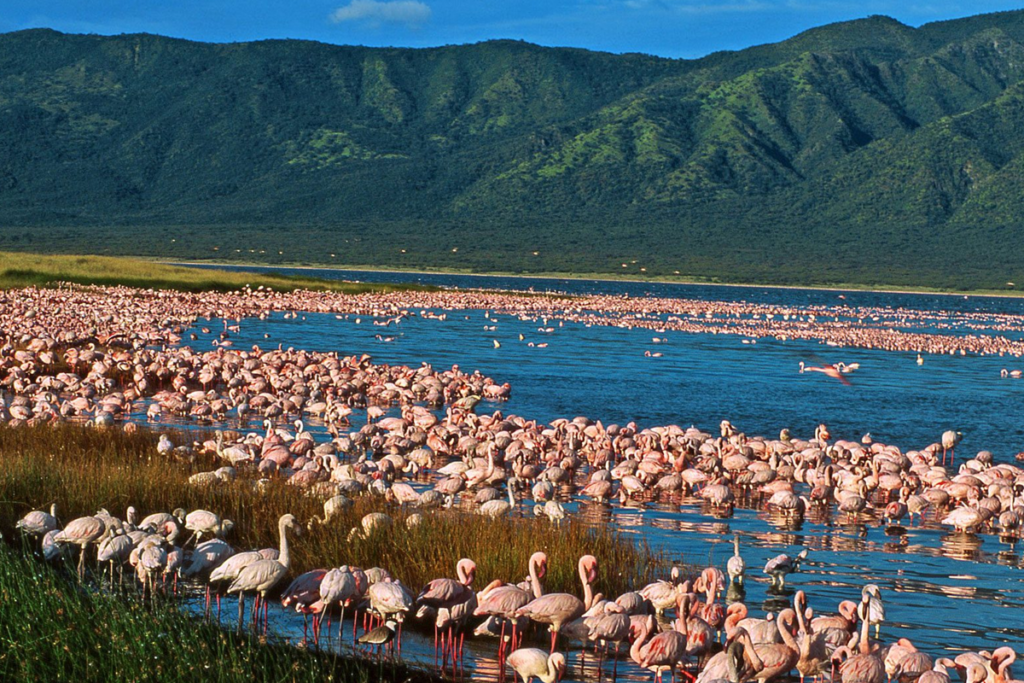
After breakfast, we drive north to beautiful Lake Langano. On the way, we will stop at different villages. Later in the afternoon, you can relax on the beach (bilharzia free) and enjoy the birds at the lake. (Meals: B, L, D)
The morning is free for leisure. After lunch, we drive back to Addis Ababa. Depending on the flight schedule, a farewell dinner with local specialties and cultural dances can be organized. Transfer to the airport. End of tour. (Meals: B, L, D)